How to Salt Your Dishes with Seaweed
Salt is one of the simplest ingredients in your kitchen, yet it plays a powerful role in how food tastes. Used well, it doesn’t just make things “salty”, it enhances flavour, balances sweetness, softens bitterness and brings a dish together. Used without care, it can easily overpower.
Seaweed offers a different way to think about seasoning. Naturally rich in minerals and with a deep umami character, it can be used to season, enhance and sometimes even replace salt in everyday cooking.
Navigate this article
- Salt isn't just about saltiness - it balances acidity, tames bitterness and boosts sweetness.
- Seaweed adds umami alongside natural sodium, so you often need less added salt.
- Whole leaf seaweed, seaweed sprinkles and seaweed salt blends each suit different cooking styles.
- Seaweed can replace part of the salt in baking, soups and sauces without losing flavour.
- It pairs well with savoury dishes and surprisingly well with chocolate and other sweets.
Why Salt Matters in Cooking
Salt is often underestimated. Beyond salting, it:
- Enhances natural flavours in both savoury and sweet dishes
- Balances acidity (like lemon or vinegar)
- Reduces bitterness (for example in greens or dark chocolate)
- Brings out sweetness (a pinch of salt in desserts can make flavours more enhanced and complex)
Think of a dark chocolate ganache with a touch of flaky salt, or ripe tomatoes with a sprinkle of salt, it’s not about making them salty, but about making them taste more like themselves.
At the same time, it’s easy to rely too heavily on salt. Learning to season more thoughtfully can make a big difference.
Where Seaweed Comes In
Seaweed contains naturally occurring sodium, but also something just as important: umami, the fifth taste, often described as savoury depth.
This means seaweed can:
- Add saltiness, but in a softer, more rounded way
- Enhance flavour without needing as much added salt
- Bring complexity to dishes with just a small amount
It’s not just a replacement, it’s a different way of seasoning.
Three Ways to Salt with Seaweed
At Lofoten Seaweed, we work with seaweed in different forms, each suited to different uses in the kitchen.

1. Whole Leaf Seaweed
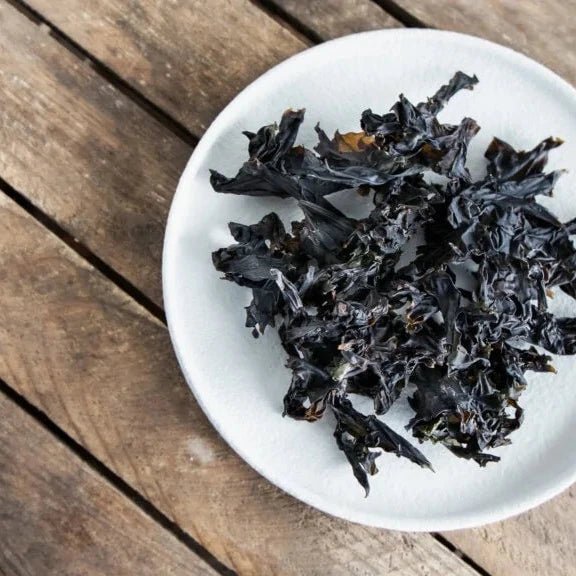
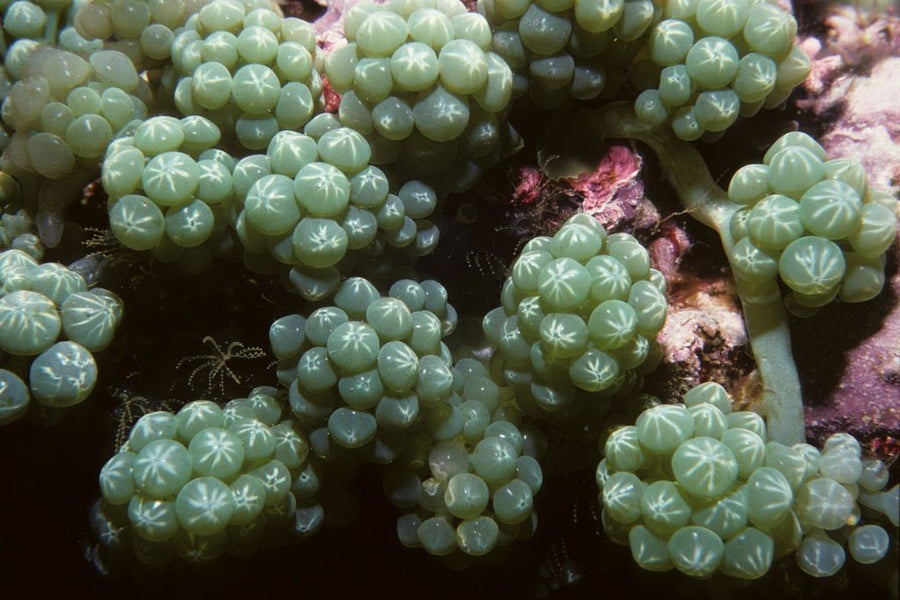
Whole leaf seaweed (such as wakame, sugar kelp or ocean truffle) can be added directly to dishes during cooking. Our whole leaf seaweeds are even used by top chefs and restaurants across Norway and further abroad!
How to use:
- Add to broths, soups or stocks such as the best known Asian seaweed stock ‘dashi’ (usually made with kombu seaweed, dried mushroom and dried tuna flakes), then remove or leave in
- Cook into rice, pasta or sauces {why not try ocean truffle recipes - link}
- Eat fresh in salads (dulse or wakame are best for this)
Why it works:
It releases both minerals and umami slowly, seasoning the dish from within.
👉 Use: small pieces or whole leaves
👉 Think: infused seasoning rather than direct salt

2. Seaweed Sprinkles
These are dried, milled and ready to use flakes that are easy to incorporate into any dish.
How to use:
- Sprinkle into salads, eggs, pasta, grains
- Add to butter, dips or dressings
- Use as a topping on avocado toast or vegetables
- Use in baking (like bread dough) to replace part of the salt (see our Seaweed for bread mix on our webshop)
- Garnish dishes such as seafood, soups and stews
Why it works:
They provide a balance of saltiness and umami, making them a great everyday alternative to salt.
👉 Use: ½–1 tsp depending on dish
👉 Think: seasoning + flavour in one

@evatrifft_fotografie
3. Seaweed Salt Blends
(e.g. Ocean Truffle Salt, Smoked Seaweed Salt, Arctic Seaweed Salt)
These combine seaweed with salt, creating a more familiar but elevated seasoning. They are best for finishing dishes.
How to use:
- Finish potatoes, fish, vegetables or meat
- Sprinkle over eggs, pasta or salads
- Add a final touch to desserts (especially chocolate based!)
Why it works:
You still get the function of salt, but with added depth from seaweed.
👉 Use: as you would regular salt
👉 Think: a finishing salt with extra character
Can You Replace Salt with Seaweed?
In some cases, yes.
- In dishes like soups, broths, grains or sauces, seaweed can significantly reduce or replace added salt
- In baking (like bread), it can replace part of the salt while adding flavour
- For those looking to reduce sodium intake, seaweed can help bring flavour without relying solely on salt
That said, seaweed and salt are not identical, they work best together or in balance, depending on the dish.
What Does Seaweed Pair Well With?
Seaweed is incredibly versatile and works naturally with:
- Potatoes, rice and pasta
- Fish and seafood
- Vegetables and grains
- Meat dishes
- But it also works surprisingly well in sweet recipes, adding a subtle savoury note that enhances chocolate, caramel and baked goods.
{link} Explore our recipes using seaweed for inspiration.
A Different Way to Season
Learning how to salt your food is one of the simplest ways to improve your cooking. Seaweed offers a way to go further, adding not just saltiness, but depth, balance and complexity.
Whether you use whole leaves, sprinkles or seaweed salts, it’s about finding a rhythm that works for you, and discovering how a small ingredient from the ocean can transform everyday dishes.
Frequently Asked Questions
Does seaweed contain salt naturally?
Can seaweed replace salt in cooking?
Why is seaweed rich in umami?
How does umami help reduce salt in cooking?
How much seaweed should you use for seasoning?
How do you season food with seaweed?