Different Oceans, Same Goals: Supporting Fiji's Seaweed Harvesters
On the other side of the world from Lofoten, women in Fiji are building a livelihood from sea grapes while their coast recovers from a devastating cyclone. This October, Her Planet Earth are walking across Japan to support them. Here is their story, and how you can help.
Navigate this article
- In Namuaimada Village, Fiji, women harvest nama (sea grapes) by hand on the reef, each limited to one sack a day so the beds can regrow.
- Conservation International works with communities in Fiji's Ra Province to restore mangroves lost to Cyclone Winston and to strengthen women-led seaweed livelihoods.
- In October, twelve women with Her Planet Earth will trek through Kyoto Prefecture to raise money for this work.
- Learn more and see how you can support them below.
In 2016, Tropical Cyclone Winston tore through Fiji's Ra Province, destroying mangrove forests along its coast. Ten years on, the women of Namuaimada Village have rebuilt and turned their reef into a thriving livelihood. Each morning they head out by boat to harvest seaweed, each woman limited to one sack a day so the beds have time to regrow.
The seaweed is nama, or sea grapes: tiny, bright green beads that burst on the tongue with a clean taste of the sea. The women pick it by hand on the reef, with skills learned from their mothers and grandmothers. It travels on the early bus to the markets in Nausori and Suva, feeds families and has become a lifeline for a community on the frontline of climate change.
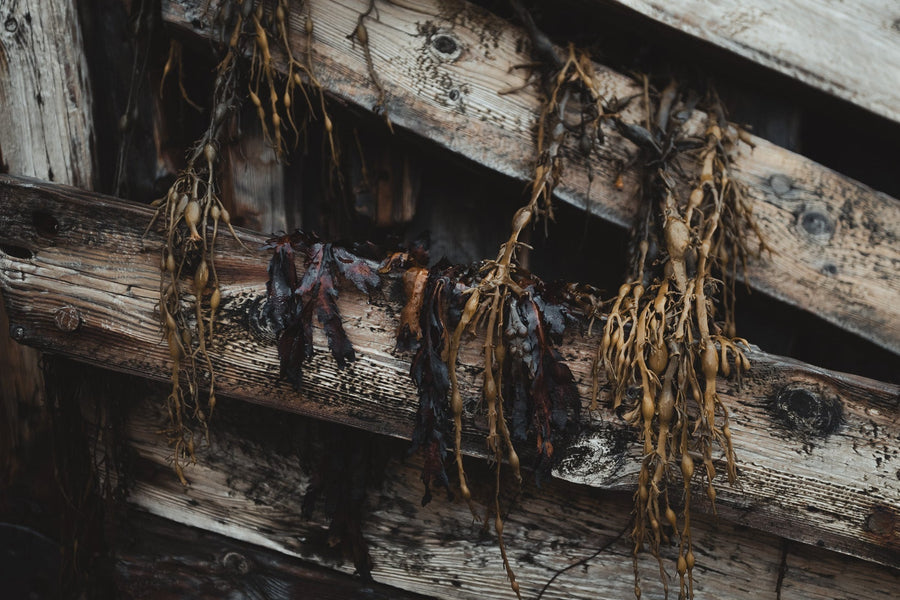
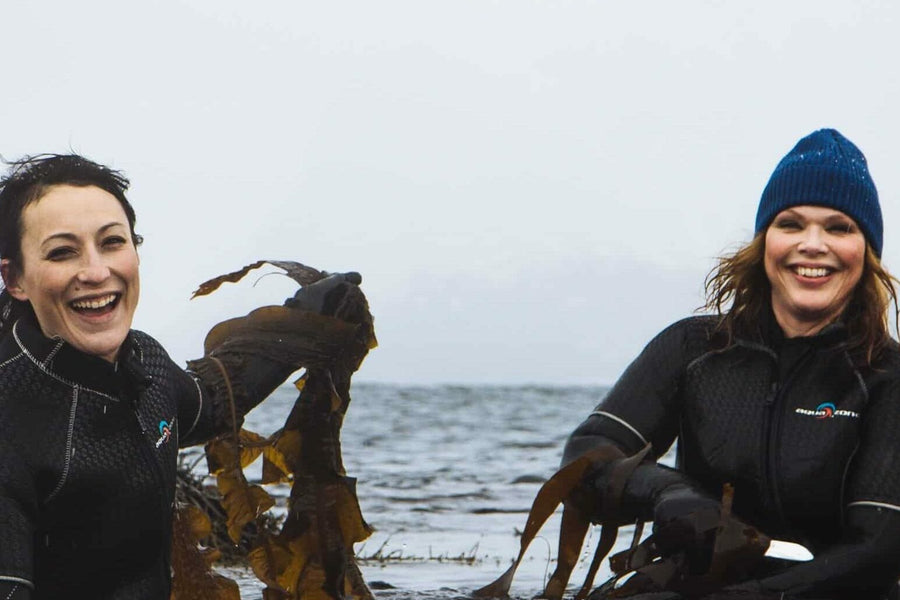
Here in Lofoten, we harvest seaweed by hand in the strong currents of Nappstraumen. The water is colder and the seaweed is different, but the work is much the same, and so are the reasons: food, livelihood and a deep bond with the sea.
The women behind the sea grapes
Conservation International Fiji works with coastal communities in Ra Province to restore mangroves and strengthen women-led seaweed livelihoods. Along nearby Navitilevu Bay, villagers are replanting the mangroves Winston destroyed, and in Barotu Village the work has even grown into a nursery business. In Namuaimada, the women are exploring a co-operative and a collection centre to process and package their harvest, so more of the value stays in the village.
From the mountains to the sea
This October, Her Planet Earth sets out on its 20th all-female expedition: twelve women walking along old merchant trails through Kyoto Prefecture, ending at Amanohashidate on the Sea of Japan. Part of the team will meet the Ama, Japan's female free divers, who have gathered shellfish and seaweed for close to 2,000 years. Together, they aim to raise US$50,000 for Conservation International's work in Fiji.
How to help
Among the twelve is Kasia Sienkiewicz, a long-time supporter, and the woman who informed us of the fundraising effort. If you want to give her and the rest of Her Planet Earth a hand, you can read more on her JustGiving page - or on the one for the whole team.
You can also help bring attention to the situation by:
- Following the expedition in October on Her Planet Earth's Instagram.
- Sharing this post with someone who loves the ocean as much as we do.
Different oceans, the same goals
Seaweed asks very little of the planet: no arable land, no freshwater, no fertiliser. Harvesting it right, though, takes knowledge: when to take, when to leave and how to read the water. That knowledge lives in people; from the Ama of Ise-Shima to the women on Fiji's reefs and our own harvesters in Lofoten - and it deserves to be passed on.
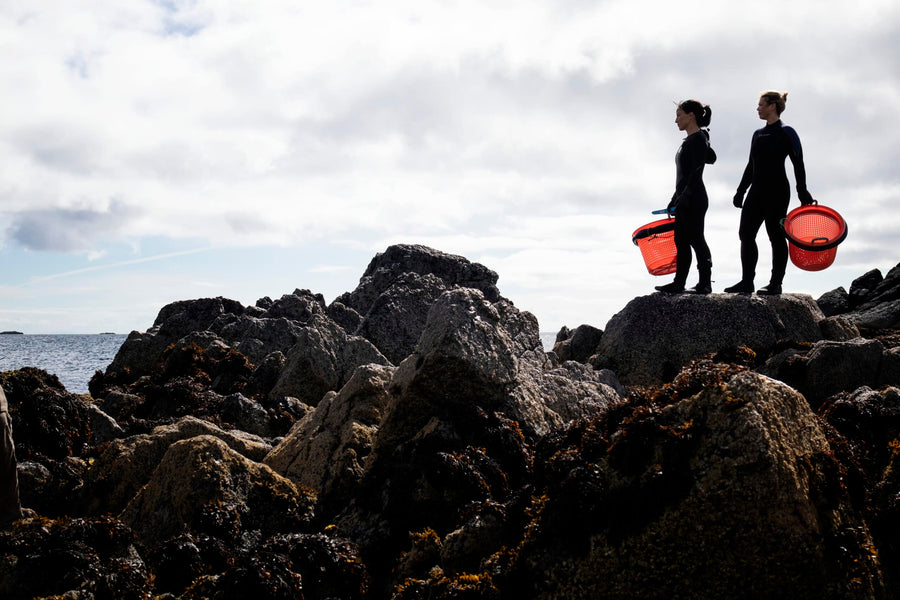
With a background in design and branding, Johannes also enjoys writing about all things Seaweed, with a preference to historical or scientific angles. He lives in Lofoten with his wife and their two dogs.