Can You Eat Seaweed Every Day?
Seaweed is having a moment and for good reason. Long used as a daily food in coastal cultures around the world, seaweed is one of the most natural ways to add nourishment, flavour and minerals to everyday meals. So the question we hear most often is simple: can you eat seaweed every day?
At Lofoten Seaweed, our answer is a confident yes. When used as part of a varied, balanced diet, seaweed is not just safe for daily use, it is made for it.

Table of Contents
1. Seaweed as an Everyday Food
Across Japan, Korea and coastal Northern Europe, seaweed has been eaten daily for centuries. It has always been valued not as a supplement or health trend, but as a natural ingredient that supports the body while making food taste better.
Seaweed is naturally rich in iodine, iron, magnesium and fibre, alongside a unique umami flavour that enhances simple dishes without the need for excess salt. Used little and often, it fits effortlessly into everyday cooking.
2. What About Iodine?
Iodine is often the first thing people think of when asking whether seaweed can be eaten every day. This essential mineral supports normal thyroid and brain function, energy levels and metabolism, and seaweed is one of nature’s best sources.
The key is how seaweed is used. In traditional diets, seaweed is rarely eaten in large quantities on its own. Instead, it is sprinkled, simmered, or added as a seasoning. This is exactly how we recommend using it too. A small daily amount delivers flavour and nourishment without overthinking it.
If you are curious to learn more about how iodine and seaweed support metabolism and energy, you can read our deeper dive here:
Supercharge your metabolism with seaweed

3. How to Eat Seaweed Every Day
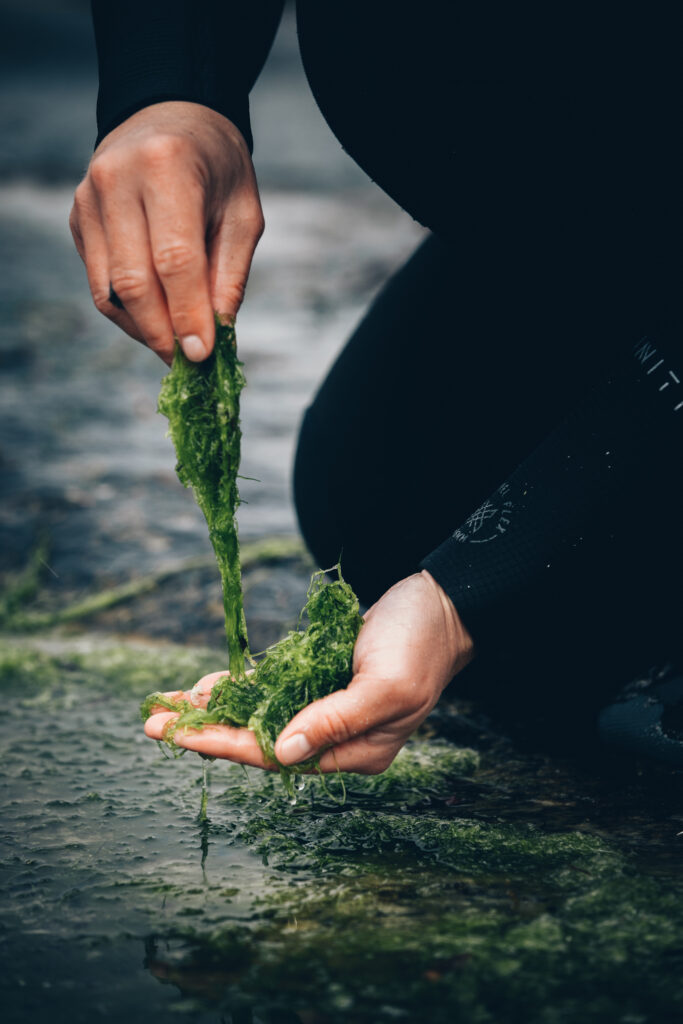
Seaweed does not need to be complicated. In fact, the easiest way to enjoy it daily is to treat it like salt, herbs or spices.
Sprinkle it over eggs, vegetables or potatoes. Stir it into soups, stews or grains. Add it to butter beans, salads, pasta or fish. A little goes a long way, both in flavour and nutrition.
Varying the types of seaweed you eat helps naturally balance mineral intake and keeps things interesting in the kitchen. We have plenty of recipes to inspire you!
4. The Benefits of Eating Seaweed Regularly
Making seaweed part of your daily routine is a simple way to support overall wellbeing. Seaweed contains vitamins A, C and E, known for their antioxidant properties, alongside essential minerals such as calcium, iron and magnesium that support bones, muscles and energy.
It also adds depth and savouriness to food without relying on ultra processed ingredients, making it a favourite for people who want to cook more intuitively and naturally.
Beyond nutrition, seaweed is one of the most sustainable foods on the planet. It grows wild in cold, clean waters without freshwater, fertilisers or land, making it as good for the planet as it is for the body.
What to Remember From This
So, can you eat seaweed every day? Absolutely.
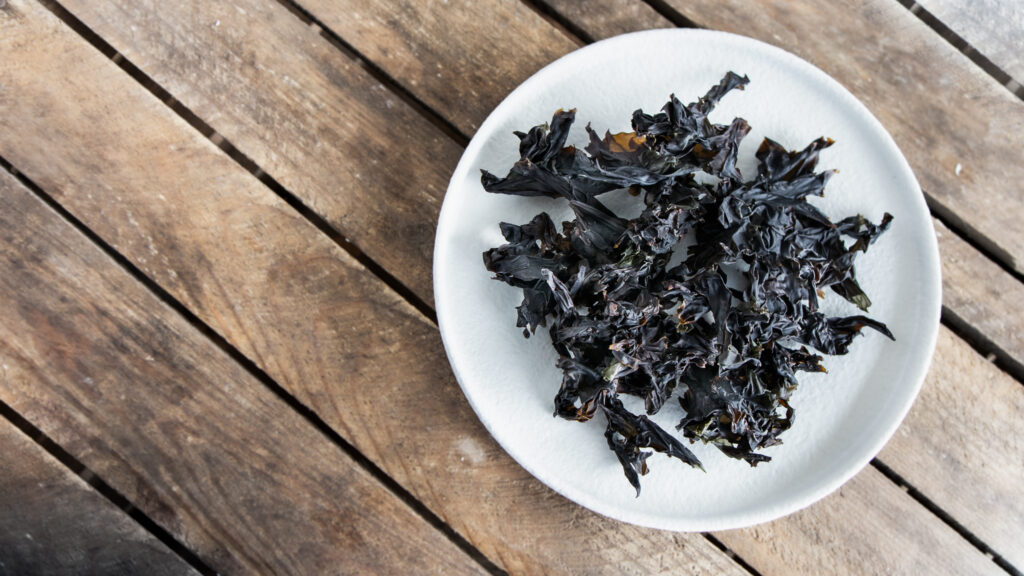
At Lofoten Seaweed, we believe seaweed belongs in everyday cooking. Used in small, balanced amounts, it supports energy, metabolism and overall wellbeing while making food taste deeply satisfying.
A simple daily sprinkle connects your plate back to the sea, bringing nourishment, flavour and a sense of balance that feels both modern and ancient at the same time.
If you want to explore the science behind seaweed and metabolism in more detail, our blog post Supercharge your metabolism with seaweed is a great place to start.