Fiber Reconsidered

Why 2026 is bringing us back to the basics and back to the sea and fiber.
Food trends tend to arrive loudly. They promise quick fixes, bold claims, and a sense that health can be engineered if we buy the right thing. Then the noise fades, and what we are left wanting is something quieter and more dependable.
2026 is here, and the conversation around food is shifting in that direction. After years of powders, fortified drinks, and functional add-ons, attention is returning to something both ordinary and essential: fiber. Not fiber as a supplement, but fiber as part of real food.
Fiber supports digestion, blood sugar balance, heart health, and the gut microbiome, yet many people eat far less than recommended. Health authorities suggest adults aim for roughly 25 to 38 grams per day, depending on age and gender, but Western diets consistently fall short of that range.
Rather than inventing new solutions, this gap invites us to remember older ones.
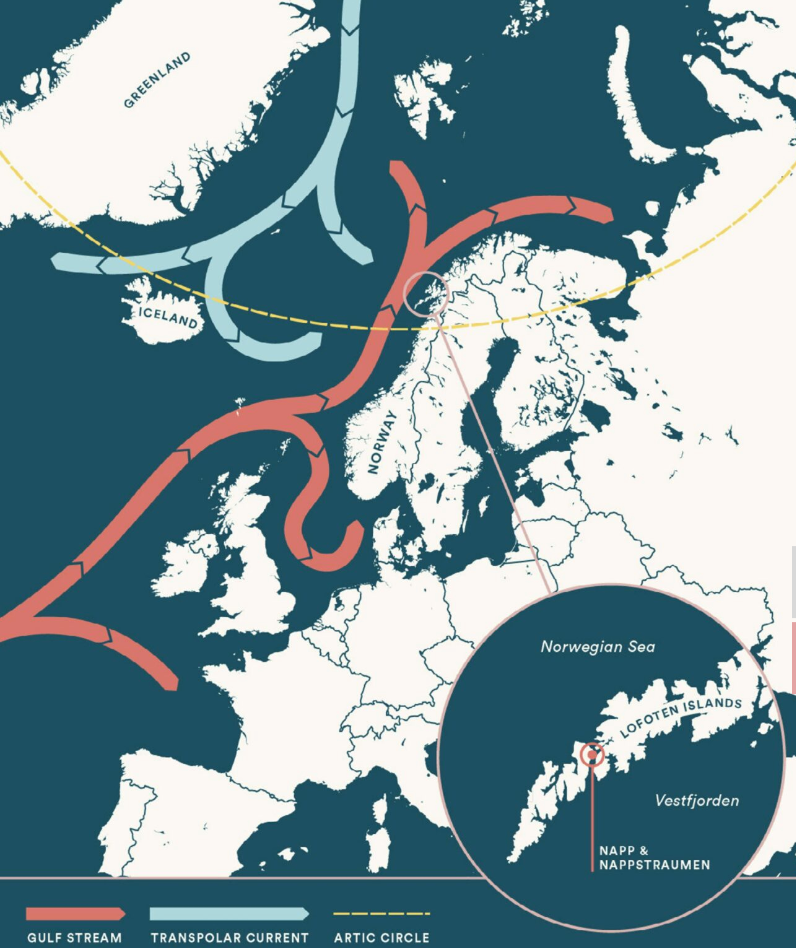
Nappstraumen links Vestfjorden with the open Norwegian Sea.
Powerful currents bring crystal-clear, nutrient-rich water, creating ideal conditions for seaweed and kelp to thrive. This is where we at Lofoten Seaweed harvest carefully, guided by nature and committed to a sustainable, low-impact relationship with the ocean.
Along the coast of northern Norway, seaweed has always been part of the landscape and quietly part of the food culture. It grows slowly in cold, clean water, shaped by tides and seasons rather than speed. Seaweed is not fast food. It is patient food.
What makes seaweed especially interesting is its fiber profile. Up to 25-75% of its dry weight can be dietary fiber, much of it soluble.
These fibers pass gently through the digestive system, where they feed beneficial gut bacteria and help produce short-chain fatty acids linked to gut and immune health.
Because seaweed is a whole food, its fiber arrives alongside minerals, trace elements, and marine antioxidants rather than as an isolated extract. This bundled nutrition is one reason seaweed is increasingly discussed as part of fiber-forward eating for the years ahead.
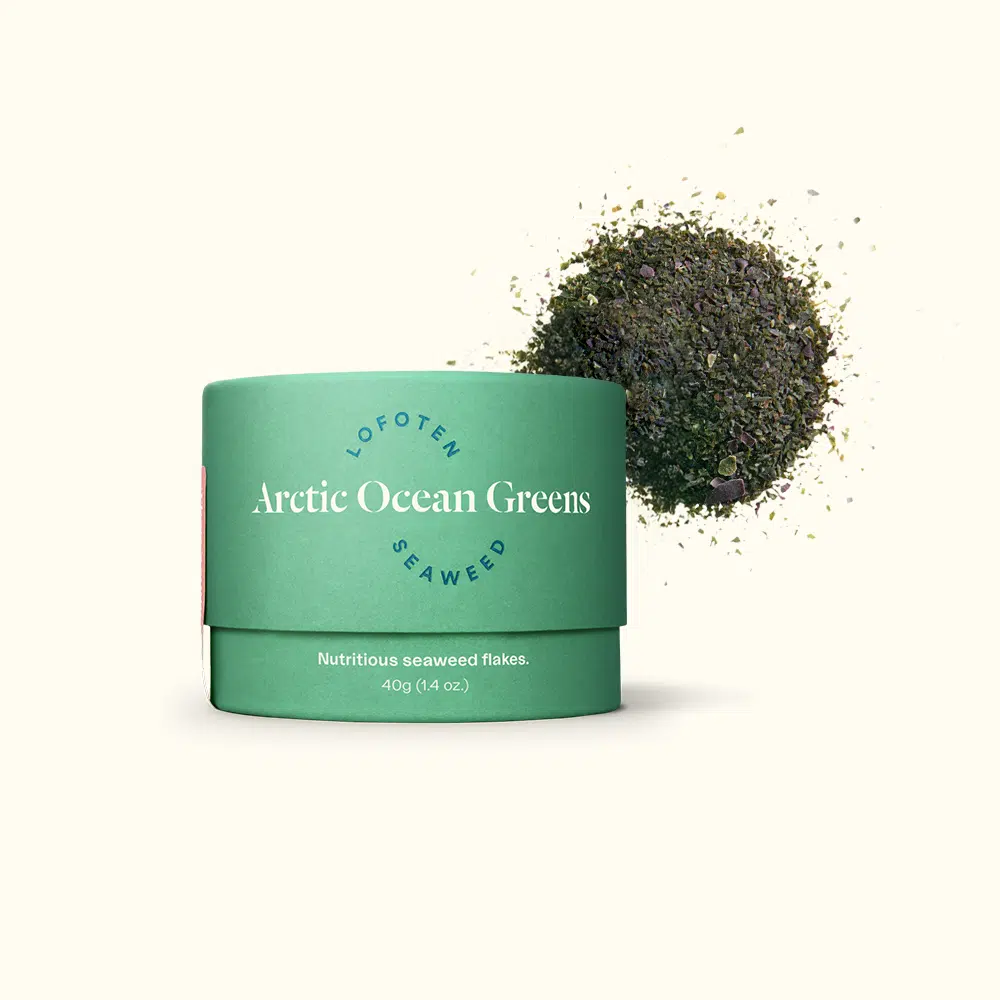
Arctic Ocean Greens was created with that philosophy in mind. It is a simple blend of wild-harvested seaweeds from the Arctic waters around Lofoten, dried and milled so they fit naturally into everyday meals. It is not meant to replace vegetables or grains, but to quietly complement them and help close the fiber gap without changing how you cook.

Seaweed is the most nutritious plant on the planet, with some species containing more protein than meat, more calcium than milk, and more omega-3 than fish.
Even a small amount goes a long way.
Stirred into soups, folded into eggs, sprinkled over vegetables or grains, or mixed into sauces and doughs, Ocean Greens adds depth rather than distraction. Many people describe it as a background habit rather than a conscious health decision.
Seaweed also asks very little of the planet. It requires no arable land, no freshwater, and no fertilizer. It grows where it belongs, regenerates naturally, and, when harvested responsibly, leaves the ecosystem intact
Perhaps that is why fiber feels timely now. Not because it is new, but because it is foundational. It reminds us that nourishment does not need to be dramatic to be effective.
As 2026 leans toward foods that support rather than overwhelm, seaweed sits comfortably at the intersection of health, tradition, and sustainability. A pantry that includes the ocean does not shout. It whispers, slowly and steadily, of nourishment that has always worked.
Bring more seaweed and fiber into your diet with these resources.
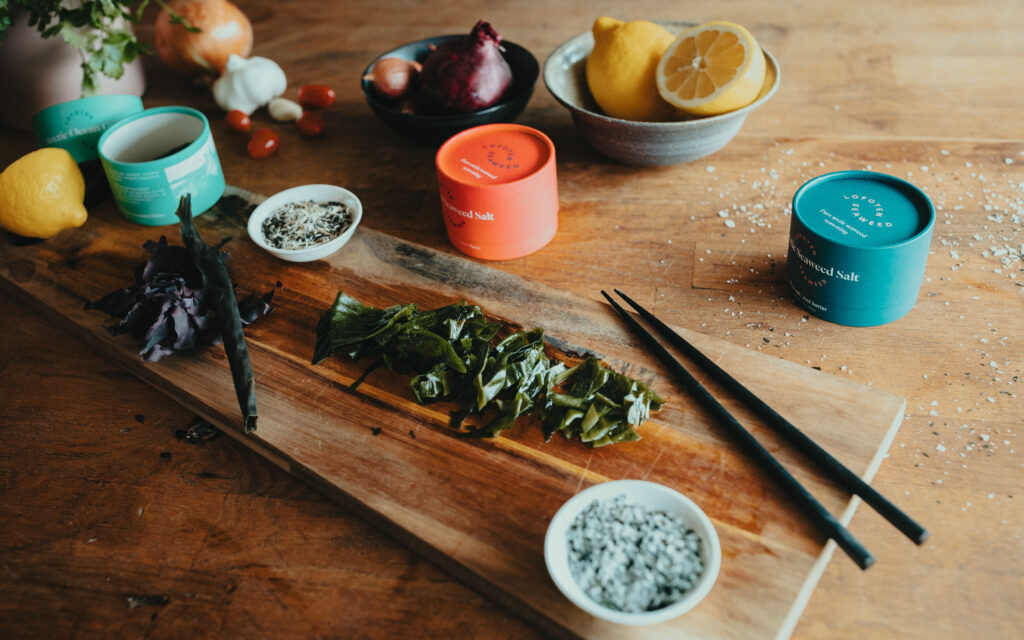
Explore ways to incorporate fiber into your diet:

Recipes
Looking for seaweed recipes to add fiber and flavor to your foods? Preview our Norwegian favorites on our Recipes page
Start eating healthier